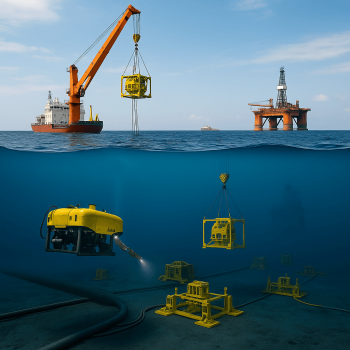
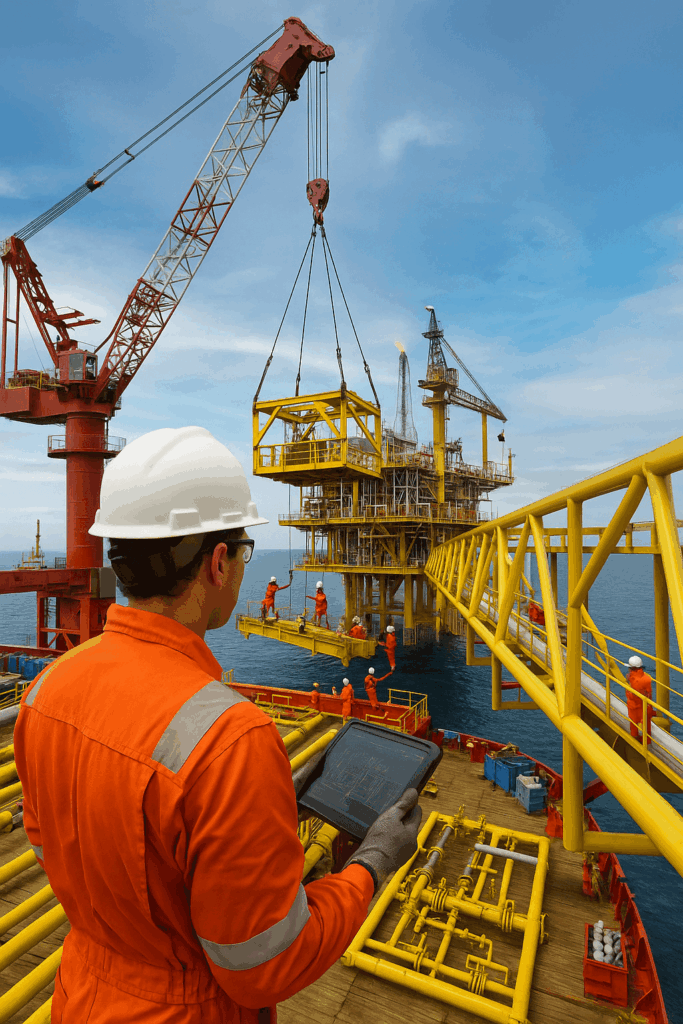
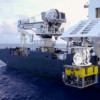
Heavy offshore work demands tight choreography between engineering, vessels, and subsea crews. The right partner blends construction method statements, lift/rigging plans, route & geohazard assessments, and SIMOPS controls with equipment that fits the sea state, depth, and soil. Typical sequences include pre-lay grapnel runs and route surveys, pile driving and jacket set-down/levelling, grouting, and installation of manifolds, PLEMs/PLETs, spools, clamps, and protection systems. For pipelines and cables, contractors handle shore pulls/HDD interfaces, tension control, burial (jetting/ploughing), crossings, and rock dumping or mattresses where specified.
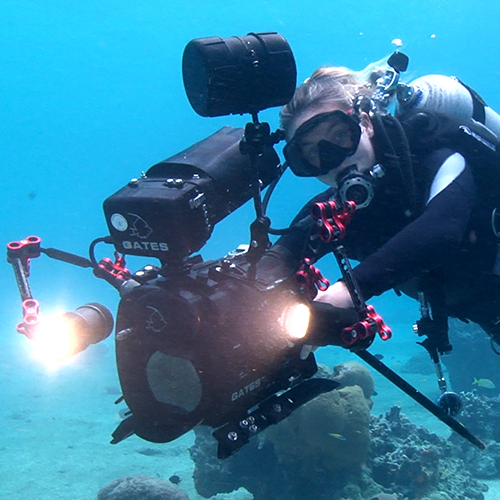
Execution is built on positioning and metrology: USBL/LBL/DVL/INS stacks, multibeam/side-scan, and laser/photogrammetry to align structures and verify touchdown points. Work-class ROVs deliver manipulation, torque, cutting, and fluid injection; inspection-class ROVs provide QC, while saturation or surface diving handles close-quarters tasks in controlled windows. Quality, health, safety, and environment are non-negotiable: providers operate to recognized guidance (e.g., IMCA/ADCI, class rules), with HAZID/JSAs, toolbox talks, and permit controls that integrate with topside and terminal operations.
Deliverables are survey- and engineer-ready: as-built drawings, spool metrology, touchdown and burial logs, bolt torque and grout records, hydrotest and leak-test certificates, CP/UT tables where applicable, and an exception register with close-out photos/video. For life-of-field, the same teams run IRM campaigns to inspect, maintain, and repair assets with minimal downtime.
Through Nautrex, you can compare vetted offshore construction providers by fleet and spreads (DSV/MSV/AHTS, cranes, LARS/TMS), ROV/tooling capability, and regional track record—then request structured proposals and keep procurement on-platform for speed and traceability.