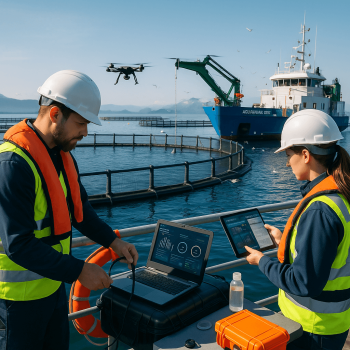
Aquaculture operations run on tight biological and regulatory windows—health, welfare, and biosecurity drive every decision. The right partner blends marine operations, environmental monitoring, and husbandry discipline to reduce losses, lower feed conversion, and meet permit obligations while keeping people and stock safe.
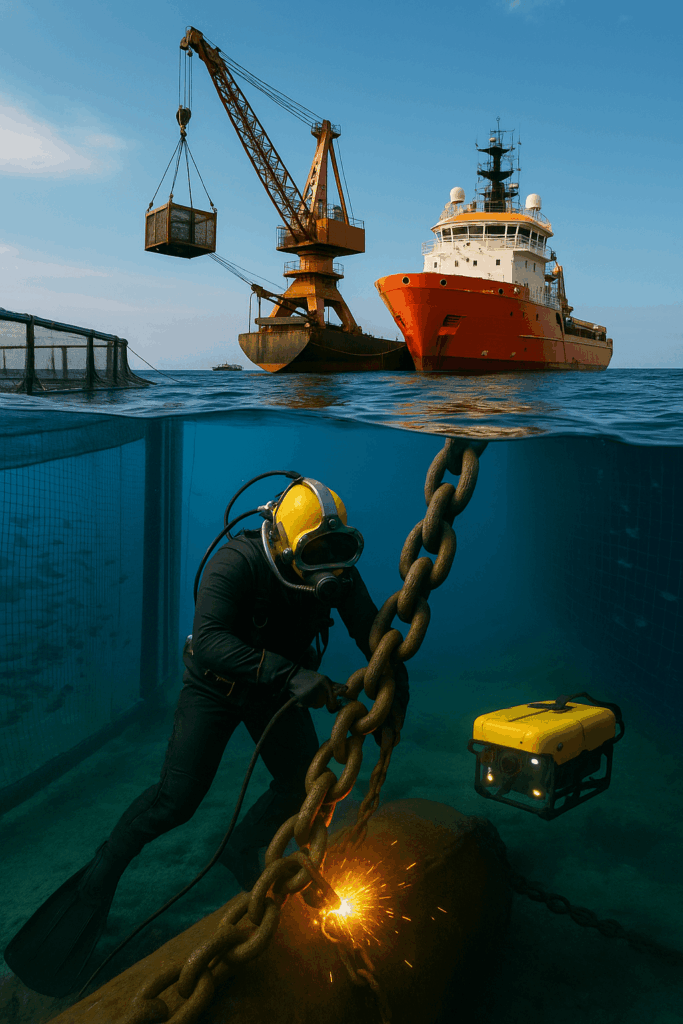
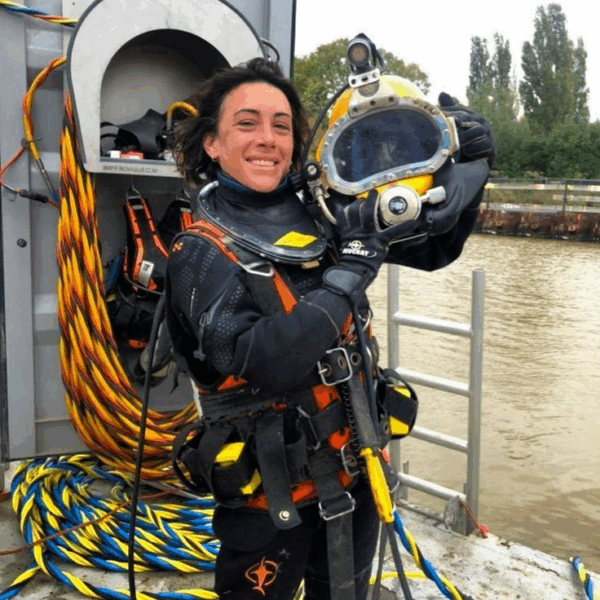
Farm integrity & maintenance. Providers deliver routine and event-driven work on pens, nets, and moorings: close-visual/ROV inspections, hole finds and repairs, net changes, mort removal, predator-net upkeep, and debris clearing. Infrastructure checks cover anchors, bridles, shackles, chains, and lines with tension/condition reporting, so pens hold station through weather and currents. Feed barges and sea lines get mechanical/electrical checks to minimize downtime during peak feeding or transfers.
Welfare, harvest & transfers. Crews support grading, treatments, crowding, pumping, and wellboat operations with careful flow control, oxygen/aeration management, and backup power. They coordinate smolt introductions and harvest windows, align with your veterinary protocols, and document welfare metrics so audits pass cleanly.
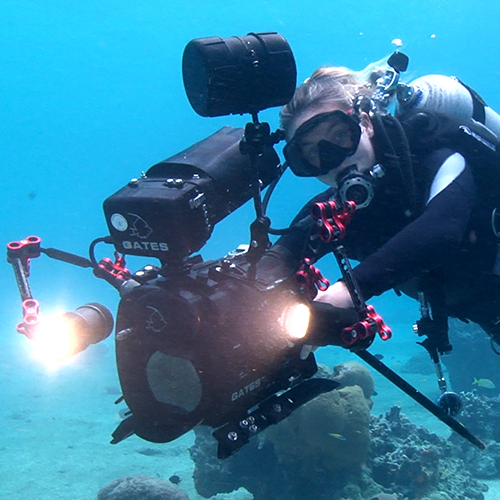
Water quality & environmental compliance. Specialists set up sensors and sampling (DO, temperature, salinity, pH, turbidity, nutrients) and monitor harmful algal blooms (HABs), lice counts, and plume dispersion around sites. When thresholds approach limits, they deploy bubble curtains, silt curtains, timing controls, and treatment plans to protect stock and meet permit terms. Reports include GIS maps, time-series plots, and concise summaries for regulators and buyers.
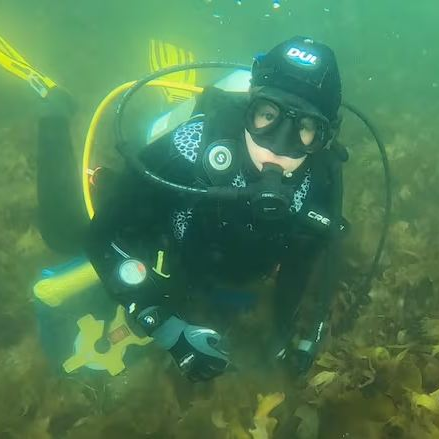
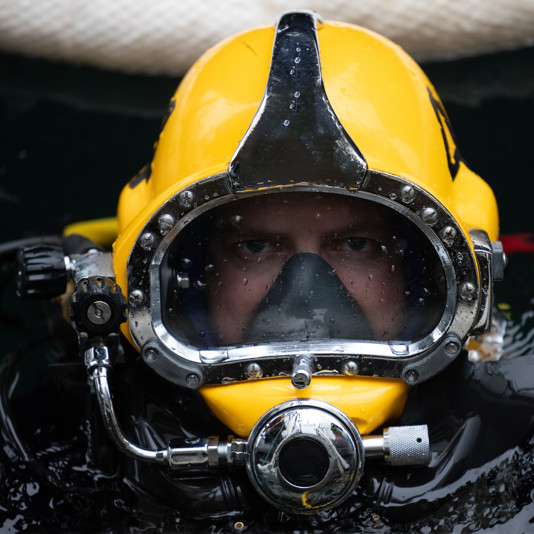
Biosecurity & safety. Teams operate with disinfection SOPs, gear segregation, chain-of-custody for samples, and documented site-entry procedures to prevent cross-contamination. Work is executed under dive plans, JSAs, permits-to-work, and emergency response checklists, with media and measurements packaged for farm management and auditor review.
With Nautrex, you can compare vetted aquaculture providers by capabilities, equipment (ROVs, net washers, aeration systems), and regional experience—then request structured proposals to keep stock thriving and production predictable.